

1. What Is eSIM?

eSIM is an embedded electronic SIM card—a type of virtual digital card that allows users to remotely activate a carrier's cellular data plan anytime, anywhere, without needing a physical SIM card. This tiny chip can be built directly into virtually any electronic device, including smartphones, tablets, smartwatches, and connected vehicles. eSIM is a relatively new technology, first proposed by Apple in 2011, and is now widely adopted across leading markets such as Japan, South Korea, and the United States.
Unlike traditional SIM cards, eSIM is essentially a data file that can be downloaded to a mobile device over the internet. Functionally, it is identical to a standard SIM card: it enables devices to connect to the internet, make and receive calls, and send text messages. Moreover, eSIM can store multiple profiles, meaning a single phone can hold anywhere from 1 to 20 different phone numbers and seamlessly switch between different network providers. For a more detailed explanation, refer to Wikipedia's entry on eSIM.
2. The Evolution of eSIM: How Did SIM Cards Evolve Step by Step?

2.1 The Golden Age of Traditional Physical SIM Cards

SIM, short for Subscriber Identity Module, is a chip card with a built-in CPU. Because it has always been manufactured in card form, people commonly refer to it as a SIM card. Regarding the technical architecture of the chip inside a SIM card, we won't go too deep here—this article is designed to be accessible, and overly complex technical details might make it difficult to follow. Rest assured, we will cover chip architecture, underlying principles, and related technologies in a dedicated technical column for those interested.
Before the advent of eSIM, all our phones used traditional SIM cards. This technology has been around for decades. As shown in the diagram above, it evolved from the original standard-sized "full card" (Standard SIM) to the smaller Mini SIM, then the Micro SIM, and finally today's Nano SIM. Although the physical size has shrunk considerably, it remains fundamentally a plastic card.
Traditional SIM cards served us well, enabling us to make calls, send texts, and access the internet. However, they came with a few drawbacks. For instance, every time you switched phones, you had to carefully eject the SIM card and insert it into the new device—easy to misplace in the process. Additionally, the SIM tray took up valuable internal space, complicating device design.
2.2 The Rise of eSIM
While traditional SIM cards were still sitting comfortably in their dominant position, eSIM quietly emerged as a rising star.
- 2011: Apple filed the first patent for a virtual SIM card—this can be considered the "embryonic stage" of eSIM. At the time, few realized just how powerful this little innovation would become.
- 2014: Apple embedded Apple SIM in the iPad Air 2 and iPad Mini 3, allowing devices to dynamically select carrier networks. It was like giving the device "wings" to freely switch between different networks.
- 2016: The GSMA (Global System for Mobile Communications Association) published the eSIM specification for smartphones, gaining support from numerous carriers and device manufacturers worldwide. This was like rolling out the "red carpet" for eSIM, bringing it to center stage.
- 2017: The Samsung Gear S2 smartwatch and Apple Watch Series 3 adopted eSIM solutions. This marked a turning point, proving eSIM was not just for phones but could power a wide range of smart devices.
- 2018: Google's Pixel 3 series also joined the eSIM camp. This further demonstrated the "appeal" of eSIM, drawing increasing attention from device manufacturers.
Since then, eSIM has risen like a "new star," rapidly gaining traction across the tech industry. An ever-growing number of phones, smartwatches, tablets, and other devices began supporting eSIM. Today, eSIM has been widely adopted globally and has become a critical connectivity solution.
3. How eSIM Differs from Traditional SIM Cards

Before diving into this topic, let's clear up a common misconception about SIM cards. People have long used the term "SIM card" as a catch-all for mobile phone cards, but this is not entirely accurate. A SIM card is a Subscriber Identity Module based on GSM technology, used to store user identity information and encryption keys within GSM networks, enabling user authentication and secure communication. However, for CDMA (Code Division Multiple Access) technology, the situation is different. CDMA was GSM's primary competitor, and early CDMA phones did not use SIM cards at all. Instead, they relied on alternative methods to identify users and assign phone numbers. Specifically, CDMA phones could obtain number information in two ways:
- Directly programmed into the phone: The carrier would write the phone number directly into the device during manufacturing, then sell it to the user.
- Over-The-Air (OTA) provisioning: Using OTA technology, the user would send a specific message in a designated format upon first boot-up, and the phone number would be written into the device.
This cardless design was common among international CDMA carriers, and many of these operators' phones still use this approach today. However, China's situation was somewhat unique. When China joined the WTO, it established a CDMA network as part of negotiations with the United States. But China made a "small modification" to the CDMA network, requiring phones to be equipped with a card slot. As a result, Chinese CDMA phones use UIM cards (User Identity Module), which serve as the user identification module for CDMA networks.
This difference stems from the fundamentally different design philosophies and implementation methods of GSM and CDMA. GSM uses Time Division Multiple Access (TDMA) technology and relies on SIM cards for user identity management, while CDMA uses Code Division Multiple Access and initially relied on direct programming or OTA provisioning for user identification.
3.1 A Major Transformation in Form Factor

A traditional SIM card is a physical plastic card with a fixed shape and size. Even though the Nano SIM is already quite small, it still presents several problems:
a. Space Constraints
- Limited Device Space: The SIM card itself, along with the tray structure and interface wiring, occupies precious internal space. For wearable smart devices such as smartwatches, fitness bands, and smart glasses—where space is extremely limited—even a Nano SIM is too large.
- The Cost of Connectivity: Sacrificing so much space just to enable communication is unreasonable for devices that prioritize compactness and lightweight design.
b. Water Resistance Issues
- Tray Gaps: The gaps around the SIM card tray severely compromise a device's water resistance, which is a significant drawback for devices designed to be used in various environments.
c. Poor Contact Reliability
- Non-Soldered Connections: SIM cards connect via metal contacts inserted into a tray. This non-soldered contact method is prone to poor connections.
- Challenges for Wearables: Wearable devices frequently experience bumps and impacts. Over time, this can cause the SIM card to loosen or fall out, affecting normal device operation.
d. Difficult Number Switching
- Limitations of Traditional SIMs: Changing numbers with a traditional SIM card is a cumbersome process, creating inconvenience for users—especially when frequent number or device changes are needed.
In contrast, eSIM technology completely overturns the traditional SIM card concept and solves the pain points above:
- Embedded Design: eSIM is built directly into the device's chipset with no physical form, transforming from a "tangible" card into an "intangible" chip.
- Space Savings: No tray or interface wiring is needed, dramatically saving internal space—ideal for compact devices like wearables.
- Improved Water Resistance: Without tray gaps, a device's water resistance is significantly enhanced.
- Stable Connection: The embedded design eliminates contact issues, improving reliability and durability.
- Easy Number Switching: Users can switch numbers via software without replacing a physical card, greatly enhancing the user experience.
3.2 A Major Liberation in Usage
Traditional SIM cards require insertion into a tray to function. Every time you switch phones, you have to eject and reinsert the card—easy to lose in the process. Moreover, the SIM tray takes up internal space and complicates device design. eSIM, on the other hand, requires no tray. It is embedded directly into the device, making it incredibly convenient to use. You can easily activate and manage eSIM through your phone's settings or a dedicated app, switching networks anytime, anywhere.
3.3 A Major Upgrade in Functionality

Traditional SIM cards offer relatively limited functionality, primarily supporting the following basic communication services:
- Making calls
- Sending text messages
- Accessing the internet
While these functions meet basic communication needs, they fall short in flexibility and convenience. In contrast, eSIM not only inherits all the capabilities of traditional SIM cards but also offers the following advanced features and advantages:
a. Multi-Carrier Switching
- International Travel: When traveling abroad, users can quickly switch to a local carrier network via eSIM, enjoying more favorable rates without the hassle of visiting a physical store.
- Multi-SIM Capability: Users can flexibly switch between different carriers on the same device to meet diverse communication needs.
b. Remote Configuration and Programmability
- OTA (Over-The-Air) Provisioning: eSIM supports remote configuration via OTA technology, including downloading, installing, activating, deactivating, and deleting carrier profiles.
- Flexibility and Convenience: Users can update and manage their SIM information anytime, anywhere through simple software operations—no physical card replacement required.
c. Device Compatibility and Scalability
- Multi-Device Support: eSIM is not limited to phones; it is also widely used in wearables, IoT devices, and more, providing stronger support for smart device connectivity.
- Future Expansion: As technology advances, eSIM will support even more innovative features, such as remote management of IoT devices and seamless connectivity for intelligent transportation systems.
4. How eSIM Outperforms Traditional SIM Cards

4.1 Smaller Footprint
Traditional SIM cards have been getting smaller, but they still occupy physical space. eSIM, on the other hand, is embedded directly into the device chipset and takes up virtually no space at all. This gives device manufacturers far greater design freedom, enabling phones, smartwatches, and other devices to become thinner, lighter, and more compact. For example, ultra-thin smartwatches simply cannot accommodate a traditional SIM card; without eSIM, they would be unable to achieve independent network connectivity.
4.2 Greater Convenience
Traditional SIM cards need to be inserted into a tray, and every phone swap means ejecting and reinserting the card—easy to lose along the way. SIM trays are also prone to dust and water ingress, compromising a device's water resistance. eSIM has no physical card, so none of these issues exist. You can easily activate and manage eSIM through your phone's settings or a dedicated app, switching networks anytime, anywhere. For instance, when traveling abroad, a few taps on your phone are all it takes to switch to a local carrier network and enjoy better rates—no need to visit a store for tedious paperwork.
4.3 More Powerful Features
Traditional SIM cards offer relatively limited functionality, mainly supporting calls, texts, and internet access. eSIM not only replicates all of these capabilities but also supports advanced features such as multi-carrier switching and remote configuration. For example, you can install multiple eSIM profiles on a single phone and switch between networks based on different scenarios and needs. For frequent international travelers who need to use multiple carrier networks, this is incredibly convenient!
4.4 Higher Security
Traditional SIM cards are physical cards that can be cloned, tampered with, or stolen. eSIM, however, is embedded directly into the device chipset, with data stored in a secure element—offering significantly higher security. It's like putting a "lock" on your digital identity, making it much harder for others to steal your information.
4.5 Lower Cost and Eco-Friendly

The production, packaging, and transportation of traditional SIM cards not only increase costs but also bring additional resource consumption and environmental burden. In contrast, eSIM technology offers significant advantages in both cost and sustainability:
- Lower Costs: eSIM eliminates the need for separate production, packaging, and shipping, reducing logistics costs and material consumption.
- More Eco-Friendly Design: Because eSIM is embedded directly into the device chipset, it avoids the industrial waste generated during traditional SIM card production, minimizing environmental impact.
- Benefits for All Stakeholders: For carriers and device manufacturers, eSIM lowers operational costs and improves production efficiency. For consumers, a more sustainable production process means better prices and more environmentally responsible product choices.
By now, we have gained a clear understanding of eSIM's evolution. In fact, beyond eSIM, there are even more advanced forms such as softSIM and vSIM, which can be considered the ultimate direction of SIM technology. However, we won't delve into those here.
It is precisely because eSIM offers so many significant advantages that telecom operators worldwide are actively embracing it. With the rapid growth of the Internet of Things, the future will be a world of ubiquitous connectivity. Driven by IoT technology, the adoption of eSIM will only accelerate. It is safe to say that in the not-too-distant future, traditional "SIM cards" will gradually fade from our lives.
5. ShinkaRoam eSIM's Superpowers

5.1 Global Coverage
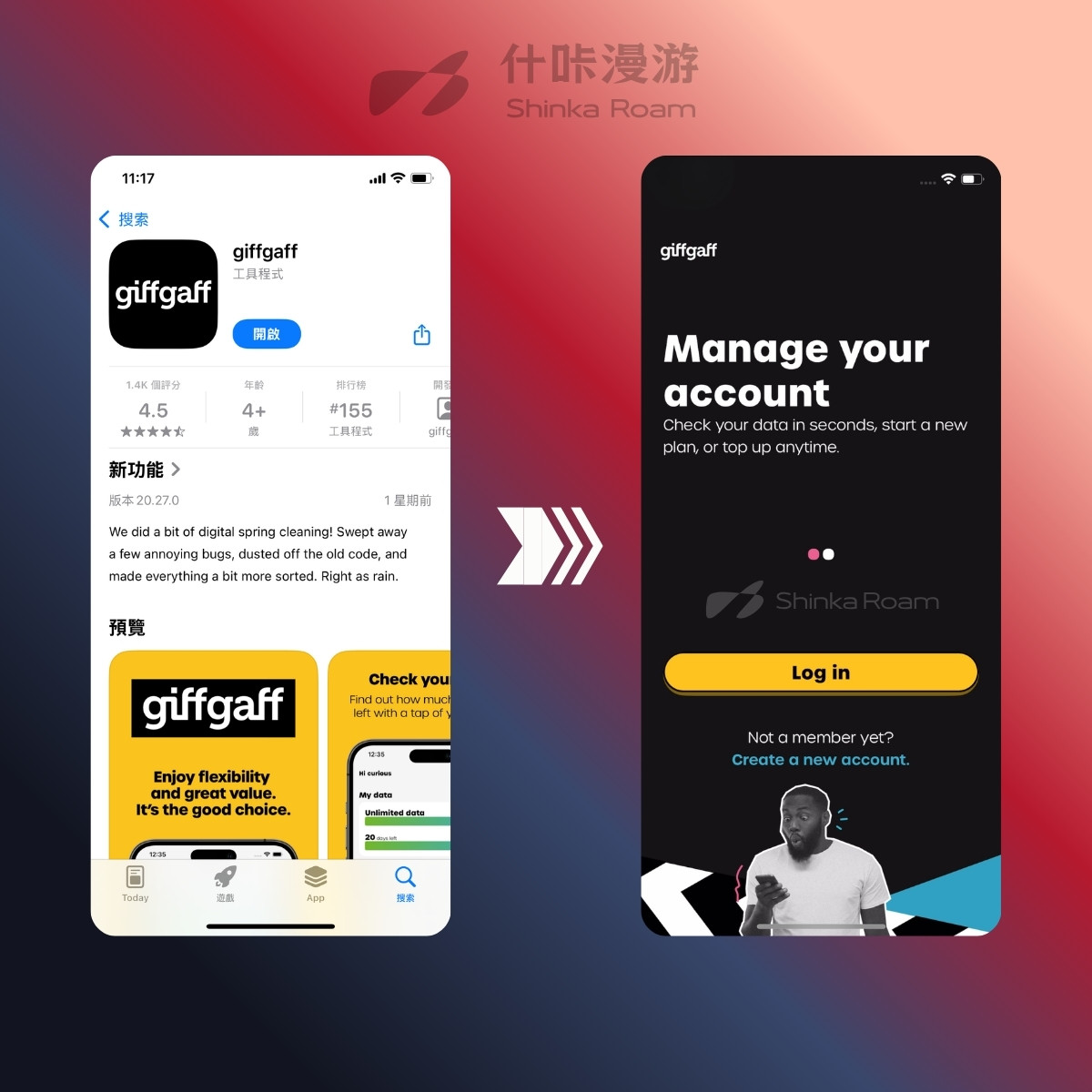
5.2 Simple Activation
5.3 Cost Savings
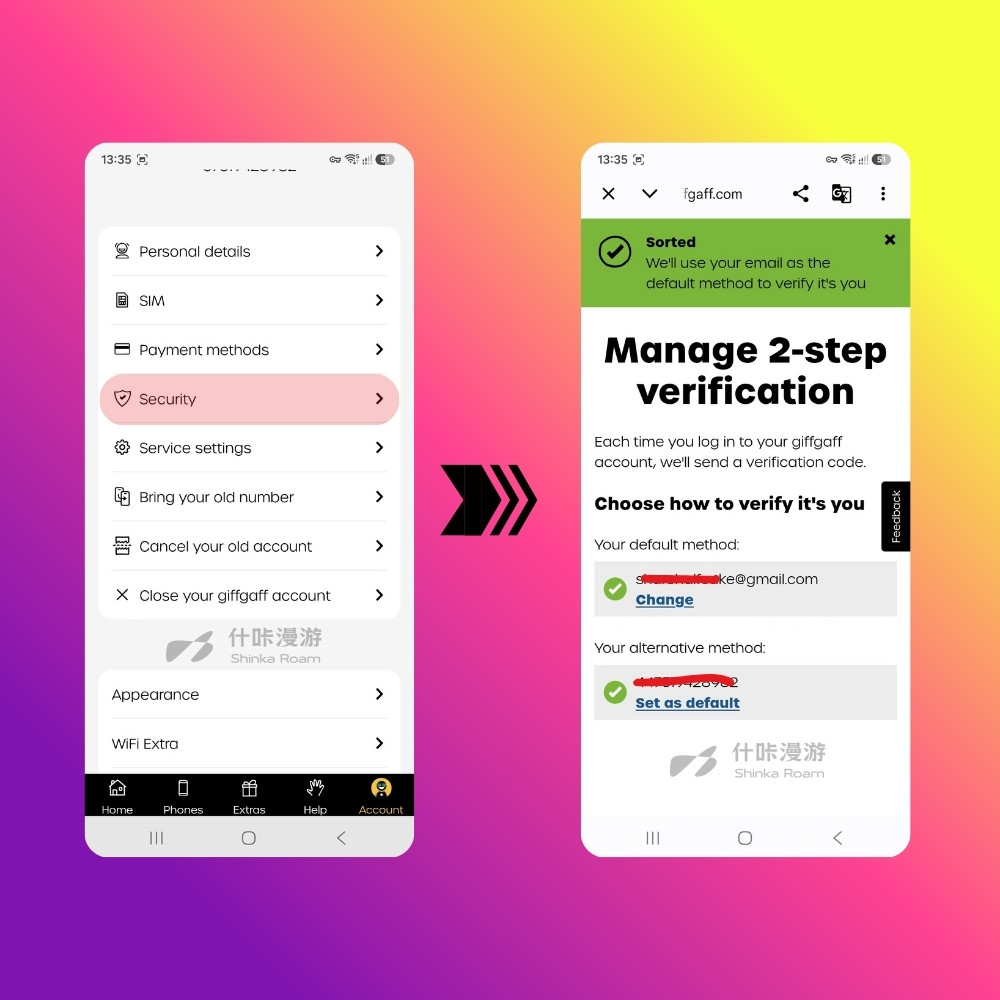
5.4 Keep Your Original Number
5.5 Premium Service
6. The Future Outlook for eSIM

0 comments